Inspection 18 October 2026 6 min read
Pressure Vessel Inspection: A Practical Guide for Plant Owners
Boilers, air receivers and storage tanks store enormous energy. Regular inspection is how you keep that energy where it belongs.
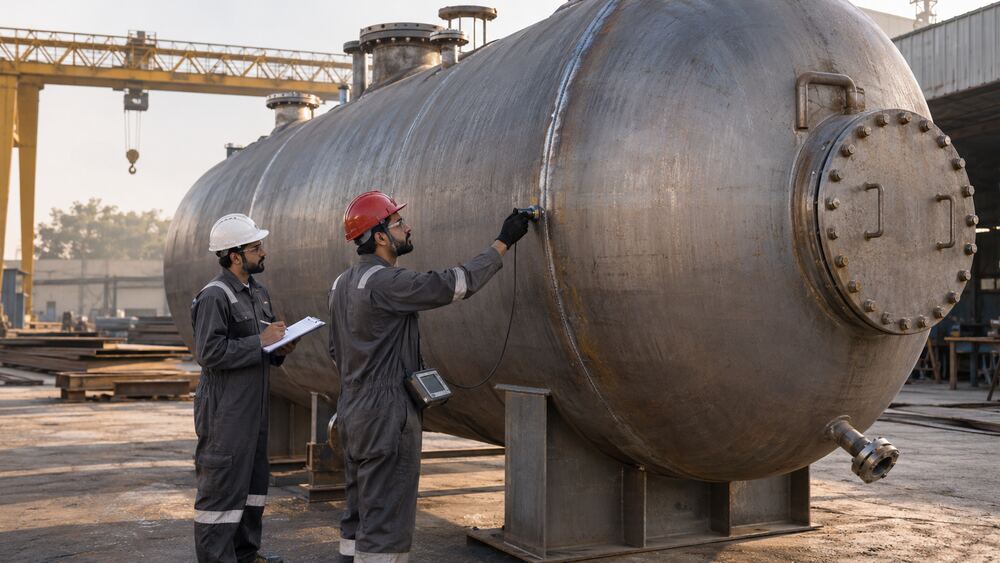
Industrial units around Gujranwala run on pressure equipment: boilers, air receivers, autoclaves, gas tanks and process vessels. When one of these fails, it fails suddenly. A structured inspection programme is the most reliable protection for people, plant and production.
What a pressure vessel inspection covers
- Visual examination of shell, heads, nozzles, supports and saddles for corrosion, bulging, leaks and damage.
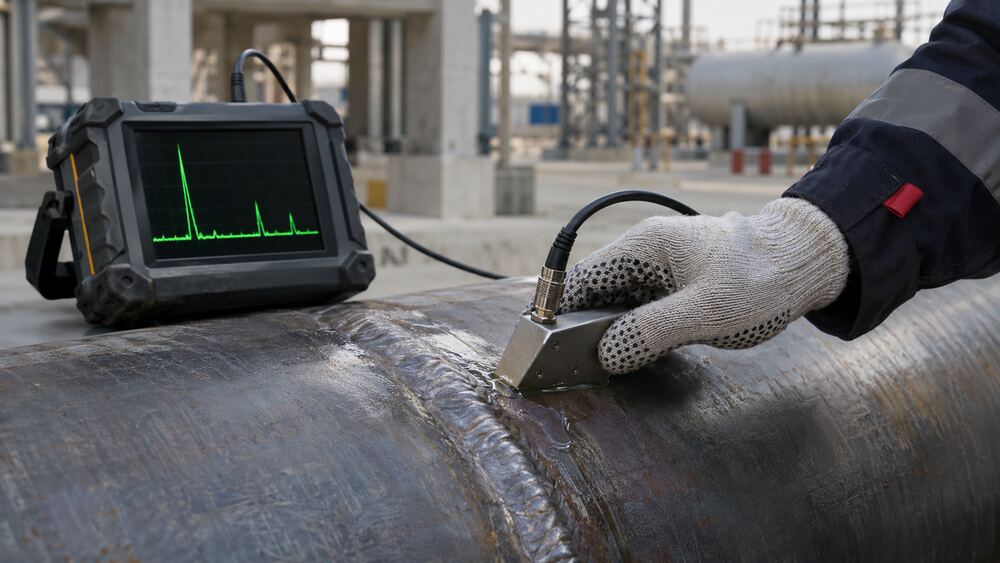
- Ultrasonic thickness gauging at a grid of points to measure remaining wall thickness against design minimums.
- Weld inspection using MPT, dye penetrant or ultrasonic methods on longitudinal and circumferential seams and nozzle welds.
- Hydrostatic test witnessing where required, confirming the vessel holds its test pressure without leaks or deformation.
- Fittings check of safety valves, gauges and drains.
Warning signs not to ignore
- Rust staining or wet spots around welds and nozzles.
- Pitting near the bottom of the shell where condensate collects.
- Distortion, bulging or paint cracking in one area.
- Safety valves that have not been tested or have been tampered with.
The most dangerous vessel in any plant is the one nobody has looked inside for years.
How often?
Frequency depends on the vessel type, contents, operating conditions and the requirements of your insurer or regulator. As a practical rule, vessels should be externally examined at least once a year with a thorough internal examination and thickness survey at planned intervals. Our inspectors can set up a schedule and keep records for every vessel on your site.
What you receive
A clear inspection report with photographs, thickness readings, defect locations and recommendations: fit for service, repair required or remove from service. It is the document your management, insurer and auditors will want to see.